Untold Bristol wartime stories brought to life at Aerospace Bristol ahead of VE Day
Aerospace Bristol is bringing Bristol’s wartime past to life this VE Day, through a powerful new collection of local stories – revealing the human experiences behind one of the city’s most defining moments.
At the heart of the commemorations is a new digital VE Day Story Map, capturing rarely-heard memories of those connected to the Bristol Aeroplane Company (BAC) and the Filton area during the Second World War. Drawing on first-hand accounts from people who lived through the war in Filton, the project sheds light on how war shaped everyday lives across the community.
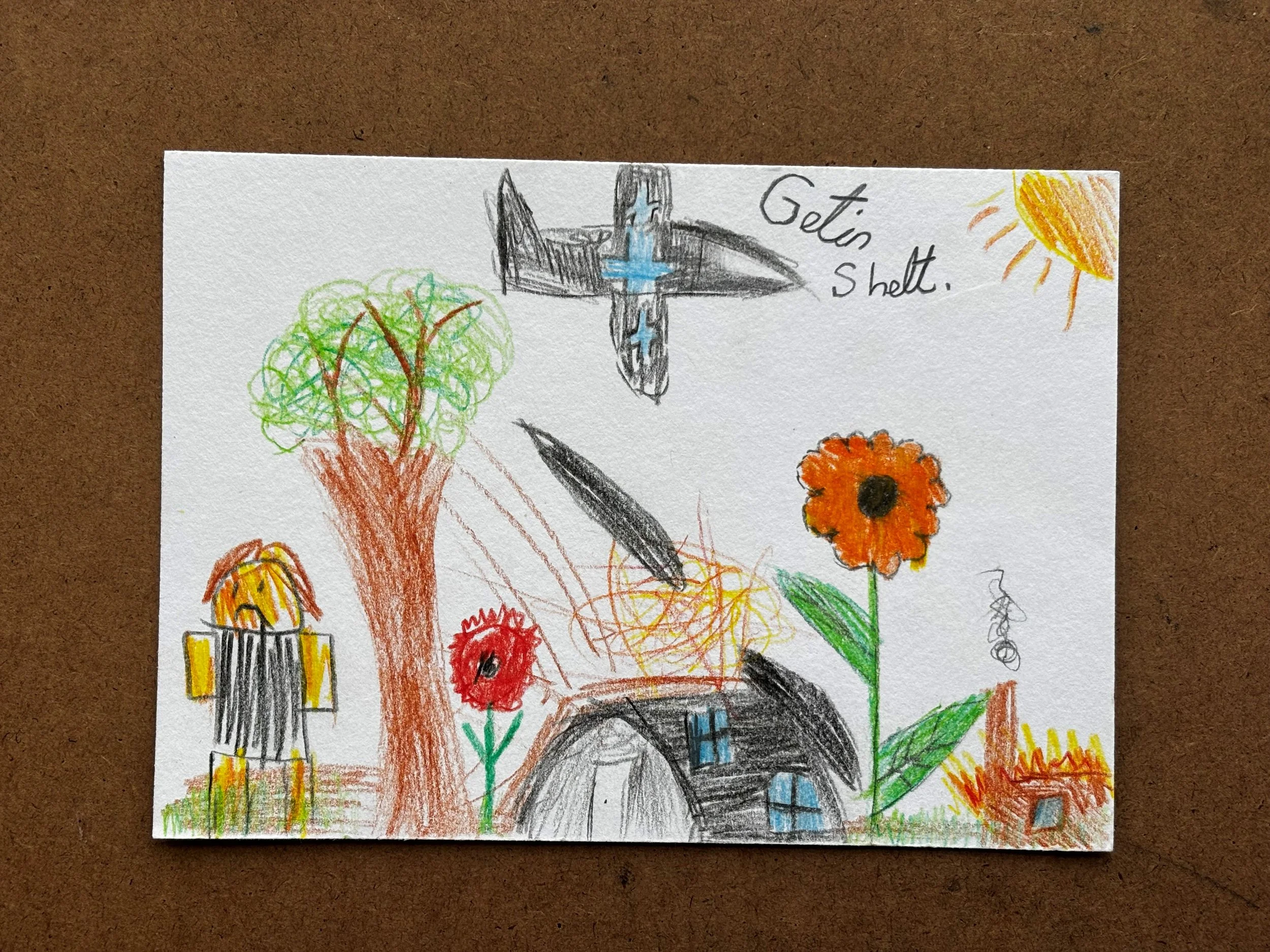
In the section exploring bombing raids and shelters, contributors describe the experience of growing up under the threat of air attack, with memories of night-time bombing and taking cover as the Luftwaffe targeted the aircraft works that made the area so strategically important.
Alan Tizzard describes a near miss on Filton Hill: “I must have been about a month old or not much more, and me mum and me auntie Nidia was pushing me up in a pram up Filton Hill and there was a one lone dive bomber came down and dropped his bombs and one went and dropped in Filton Hill and it went into the sort of grass piece it went up through.
“I was bloomin' lucky. I reckon he must have been doing that as a pre-run for the main bombing raid which came in, was it September?".
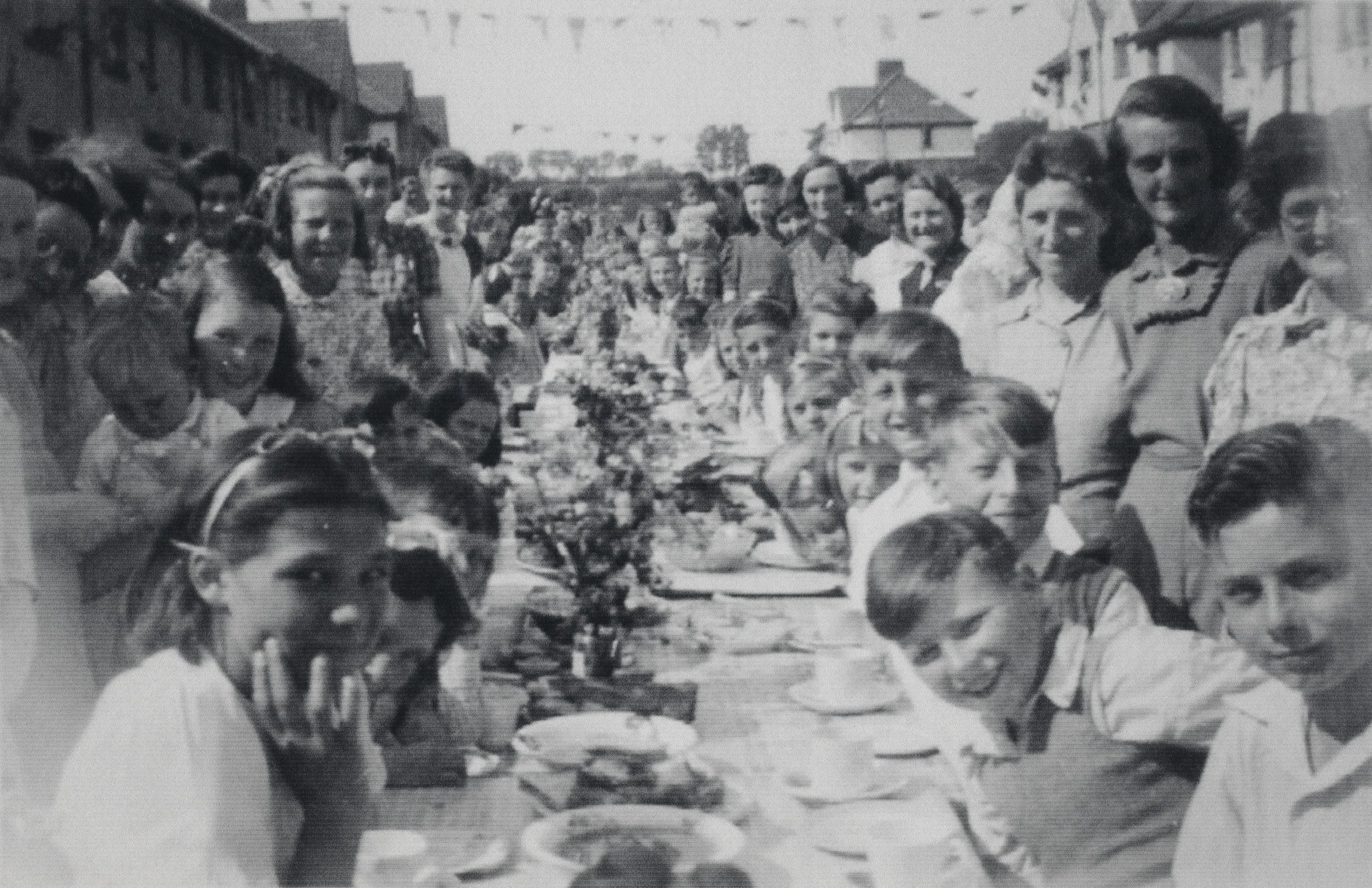
Mike Murch, Mike and Judy Jones and Barbara Lansdown shared their memories of VE day and the end of war: “You know, people who just spontaneously have a sing-song, you know, everything was done sort of on the spur of the moment. That's what it seemed to a child anyway.
“All of a sudden you'd hear some music, and you'd think, where was that coming from? Somebody had just come out of their house with a gramophone or something”.
Kate Rambridge, Interpretation Lead at Aerospace Bristol, says: “VE Day is often remembered as a moment of national celebration, but through this project we’re able to share what it really meant here in Filton – to the families who lived through bombing, worked in factories and built their lives around the war effort. Working with the local community to capture and share these memories has been really special, so bringing them to life through both the Story Map and live performance, we hope people connect with this history in a more personal and meaningful way”.
On the evening of VE Day, these community stories will take on a new form – through “Meadows to Meaders: BAC in Time” – a specially created theatre performance led by Myers-Insole Local Learning CIC, hosted at Aerospace Bristol on 8th May.
The show draws directly on the lived experiences gathered through the VE 80 project, transporting audiences back to wartime Filton and exploring the human side of the aerospace industry. The performance will take place on the 8th of May at 7pm at Aerospace Bristol and will be BSL interpreted, ensuring accessibility for a wide audience.
Together, these stories offer a deeply personal picture of VE Day – not just as a moment of national celebration, but as the end of years of disruption and resilience for Bristol communities.
Alongside this, the map captures life inside and around the Bristol Aeroplane Company, where thousands of local people contributed to the war effort. For many families, the factory was not just a workplace but the centre of daily life – shaping routines, relationships and childhood experiences.
These personal histories bring a new depth to Aerospace Bristol’s existing exhibitions, which charts over a century of aviation innovation and Bristol’s pivotal role in both world wars – both as a centre of aircraft production and as a target of devastating bombing raids. At Aerospace Bristol, located on the historic Filton airfield where many of these stories unfolded, the focus this VE Day is on the people behind that history.
By combining storytelling from the local community with research and live performance, the museum is offering a more personal, local perspective on VE Day this year – one that connects national history with individual lives.
Aerospace Bristol has also developed a new workshop for schools based on its growing insight, using donated personal objects from Robert Francis Faris, a local RAF navigator and former Squadron Leader and Navigator with 255 Squadron during WW2, to explain navigation and maps. The workshop is available for schools to book via its website from May.
The Story Map project was grant funded by the Department for Digital, Culture, Media and Sport and awarded by Museum Development South West with thanks to support from Arts Council England.